
Anemia

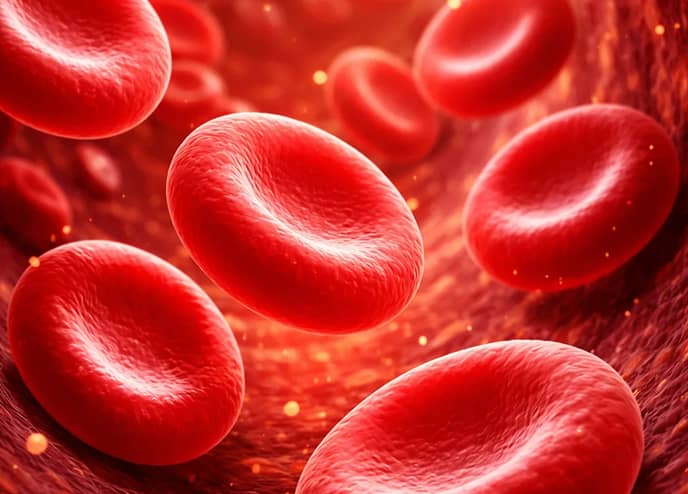
Illustration of red blood cells flowing through a blood vessel

Myelodysplastic Syndromes

There is a significant need for additional safe, effective, and convenient treatment options for anemia in patients with LR-MDS. Roxadustat, our orally administered, small molecule hypoxia-inducible factor prolyl hydroxylase (HIF-PH) inhibitor, stimulates the body’s natural mechanism for red blood cell production and iron regulation through cellular-level oxygen sensing and iron regulation mechanisms.

Unlike erythropoiesis-stimulating agents (ESAs), which are limited to providing exogenous erythropoietin (EPO), roxadustat activates a coordinated erythropoietic response. This includes stimulation of red blood cell progenitors, increased production of endogenous EPO, and improved iron availability for hemoglobin synthesis. We believe these mechanisms may benefit a broad range of MDS patients.

In clinical trials for anemia in chronic kidney disease (CKD), roxadustat has demonstrated the ability to increase and maintain hemoglobin levels in the presence of inflammation, as measured by C-reactive protein (CRP), where ESAs have shown limited effect. We believe that roxadustat has the potential to replicate this result in MDS anemia patients, where it is not uncommon for patients to present with autoimmune and inflammatory conditions.

MDS are a diverse group of bone marrow disorders characterized by the ineffective production of healthy blood cells and the premature destruction of blood cells in the bone marrow, leading to anemia. In most cases, the cause of the disease is unknown.

The diagnosed prevalence of LR-MDS in the U.S. is estimated to be approximately 60,000 adults, with incidence expected to rise as more therapies become available and patients live longer. Annual incidence is estimated at approximately 4.5 cases per 100,000 adults in the U.S.1

Anemia is the most common clinical presentation in MDS, occurring in approximately 85% of MDS patients.2 It often results in debilitating symptoms, including fatigue, weakness, exercise intolerance, shortness of breath, dizziness, and cognitive impairment.

Currently available treatment options lead to transfusion independence in less than 50% of patients, can be challenging to dose-calibrate and are administered via subcutaneous injection or through IV infusion. New strategies that provide durable response and the convenience of oral administration are highly desired in managing patients with MDS.

References:

1. National Comprehensive Cancer Network (NCCN). “NCCN Guidelines Insights: Myelodysplastic Syndromes, Version 2. 2025.” Journal of the National Comprehensive Cancer Network. 2025; 23(3). doi:10.6004/jnccn.2025.0013.

2. Steensma DP. Myelodysplastic syndromes current treatment algorithm 2021. Blood Cancer J. 2021;11(2):2. doi:10.1038/s41408‑020‑00384‑0.

Explore Our Pipeline

We are developing products with the potential to change lives.